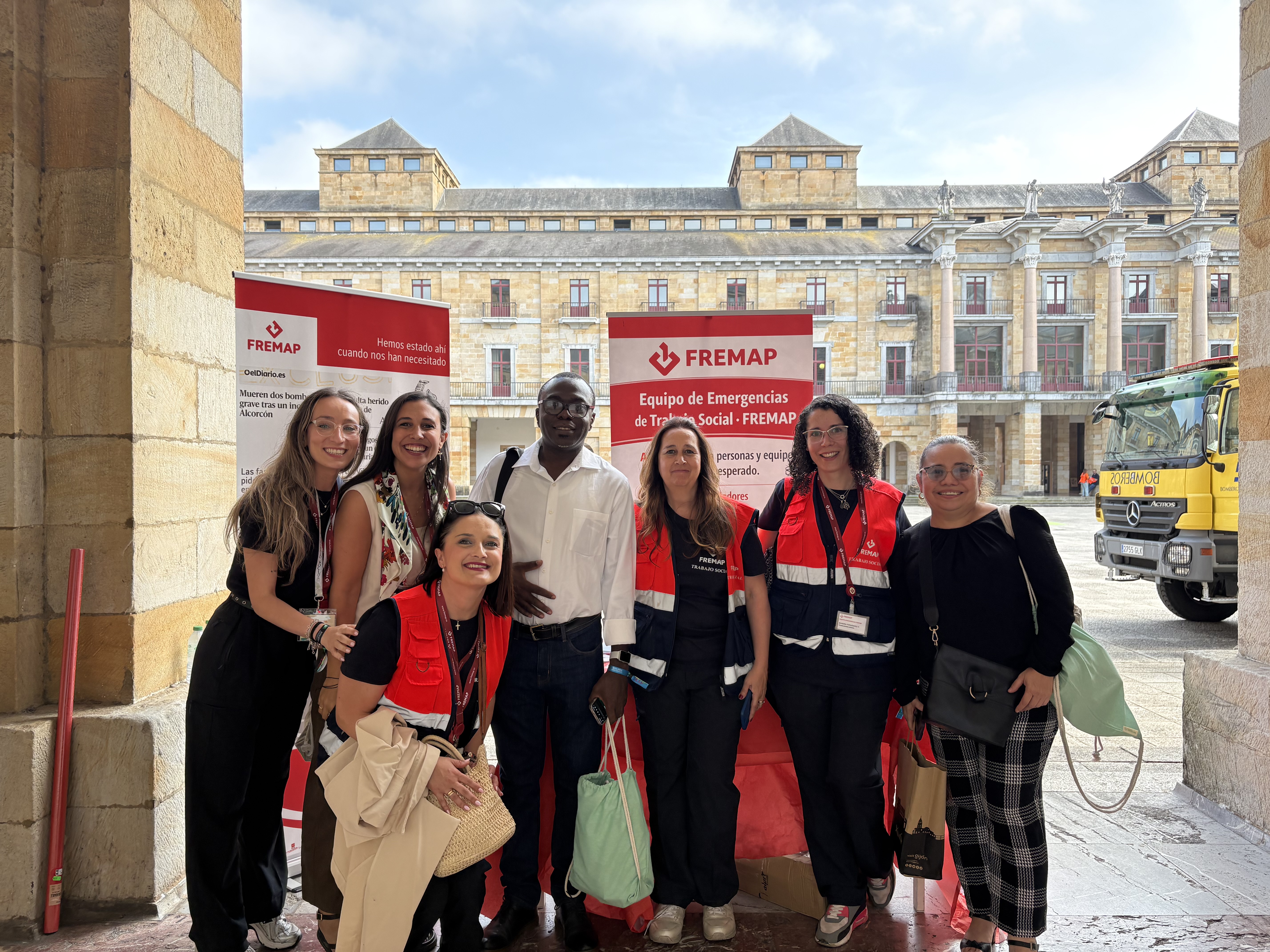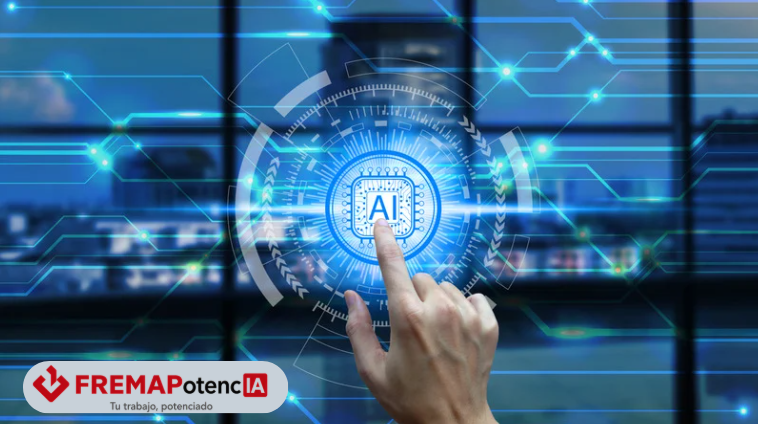
FREMAP is making progress in incorporating artificial intelligence solutions aimed at improving service and facilitating increasingly people-centered care. The initiative, developed in the Social Work Area, uses technology to support its professionals so that they can focus even more on listening, understanding, valuing and accompanying.
In line with the priorities of its Strategic Plan, FREMAP is developing a project that applies artificial intelligence to the transcription of Social Work interviews and the preparation of summaries that support professionals in the management of Social History.
The initiative reflects a way of understanding digital transformation in which innovation and humanization advance together. The Strategic Plan 2026-2029 incorporates both the implementation of new technologies and the humanization of care, putting the person at the center and promoting full and personalized care.
Technology at the service of people
During a social work interview, listening to and understanding each person's situation is essential in order to provide appropriate care.
The solution facilitates the transcription of the conversation and the generation of a summary to support the professional's activity. In this way, technology is applied to specific documentary tasks with a concrete purpose: to ensure that attention remains focused on what is especially needed from people: listen, understand, value and accompany.
This approach is consistent with FREMAP's Social Work model, in which support, family care, social diagnosis, socio-health coordination and humanization are part of a comprehensive approach to care.
Artificial intelligence therefore acts as a support tool and not as a replacement for professional judgment. The incorporation of information into Social History includes the review and human validation of the generated content before its use.
Responsible innovation and professional oversight
The particularly sensitive nature of the information that may be discussed during a Social Work interview makes trust a fundamental element of the project.
Therefore, its development specifically considers aspects related to privacy, information security, retention times, information provided to the person being served, and professional supervision of the results generated by artificial intelligence.
This approach aligns with FREMAP's framework for the responsible use of artificial intelligence and with a digital culture based on transparency, data protection, security, and trust.
Joint work within the framework of FREMAPotencIA
The project, developed jointly by the Social Work Area and the Information Technology Department, is part of FREMAPotencIA and has the close collaboration of Accenture and Microsoft
The solution relies on Microsoft technology, through Azure Speech Service and Azure AI Foundry, to provide the artificial intelligence capabilities used in the project.
This joint effort allows us to combine the knowledge and experience of FREMAP's Social Work professionals with the technological capabilities needed to transfer that knowledge to artificial intelligence agents and turn it into useful tools for the service. In this way, technology starts from the knowledge of those who know the needs of the people served and the reality of Social Work.
Innovation with purpose
For FREMAP, the incorporation of artificial intelligence is not an end in itself. It is part of a broader transformation process aimed at improving people's experience, facilitating the work of professionals and moving towards an increasingly human, close and efficient service.
This approach connects with the corporate positioning that defines support for workers, freelancers and companies, innovation, humanization and the transformation of the experience through digitalization as elements of service evolution.
The initiative developed in Social Work represents a concrete application of this purpose: to use technology where it adds value to reinforce what still essentially depends on people.
Because incorporating artificial intelligence is not just about doing things differently. It consists of taking advantage of the possibilities of technology to have a greater capacity to listen, understand, support and provide a better service.